
How To Help Your Child Love The Quran
Simple daily habits and supportive learning methods that help children build a natural and lasting connection with the Quran.
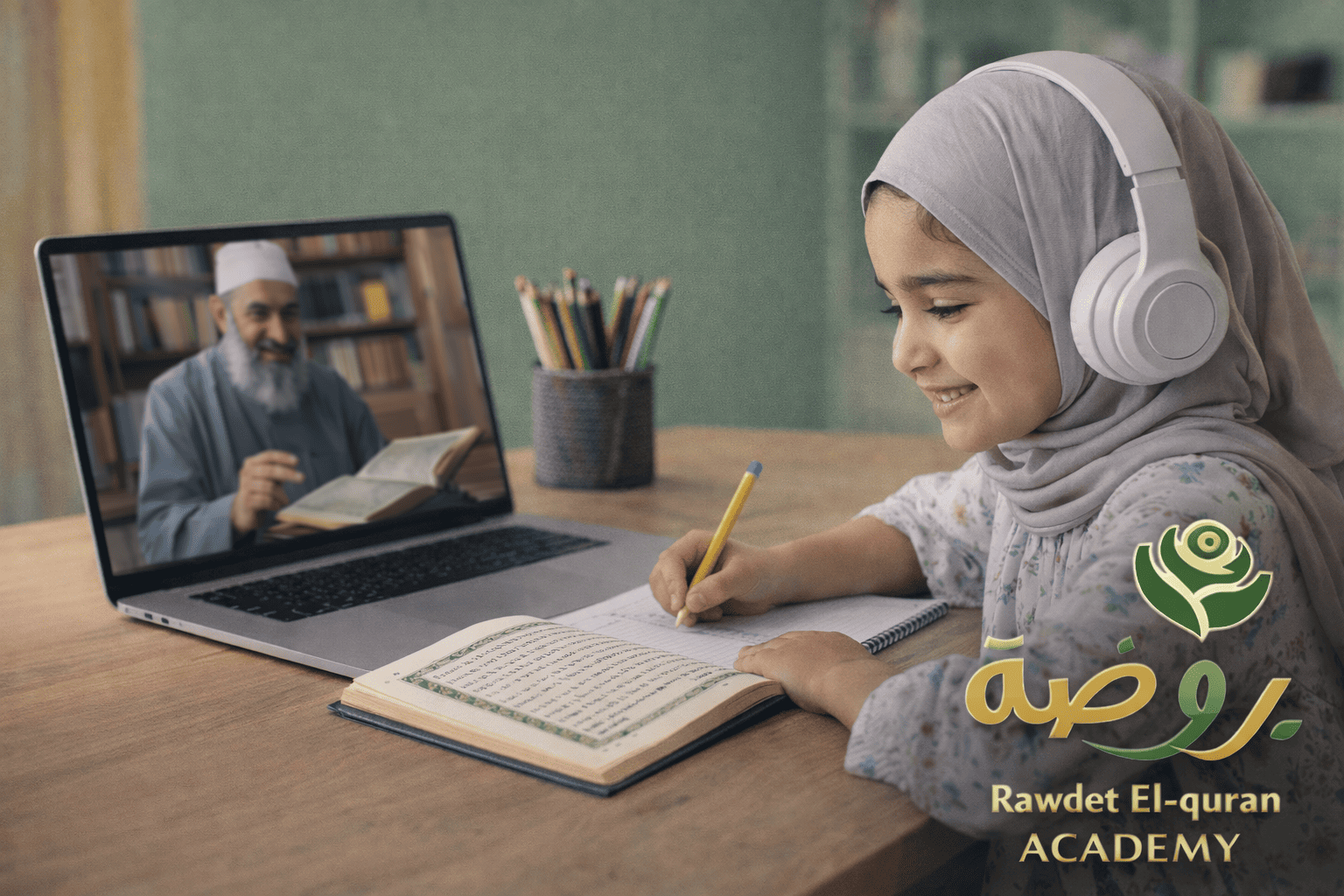
Many parents dream of seeing their children grow with a strong connection to the Quran, not only as a subject to study but as a source of comfort, guidance, and identity. Yet in today’s fast-paced world filled with distractions, building that connection requires more than simply scheduling a lesson. It requires intention, patience, and a supportive environment that allows learning to feel natural rather than forced.
Children learn best when they feel emotionally safe and encouraged. When Quran learning is associated with pressure, correction, or comparison, the experience can quickly become stressful. On the other hand, when it is introduced gently, with consistency and warmth, children begin to see it as a meaningful part of their routine. Small daily exposure, even if brief, often has a stronger long-term impact than long, irregular sessions.
A positive learning environment also depends heavily on the teacher’s approach. Instructors who combine structure with kindness help students feel confident enough to make mistakes and improve. Encouragement, clear pronunciation guidance, and step-by-step progress create a sense of achievement. Over time, this builds not only skill but emotional attachment to the Quran itself.
Parents play an equally important role. Simple actions such as listening to recitation at home, celebrating small milestones, or reading together can reinforce what is learned in class. Children who see the Quran valued within their home environment are more likely to develop a lasting connection with it. Learning becomes part of their identity rather than an isolated task.
Consistency matters more than speed. Progress in recitation, memorization, or understanding may appear gradual at first, but steady repetition builds strong foundations. When students feel supported and not rushed, they gain confidence and begin to take ownership of their learning. This sense of ownership is what eventually transforms obligation into love.
Ultimately, helping a child love the Quran is not about perfection or memorizing quickly. It is about nurturing familiarity, comfort, and respect for the words they recite. With patient guidance, supportive teachers, and a calm learning structure, children grow not only in skill but in appreciation. Over time, the Quran becomes a trusted companion in their daily lives.